
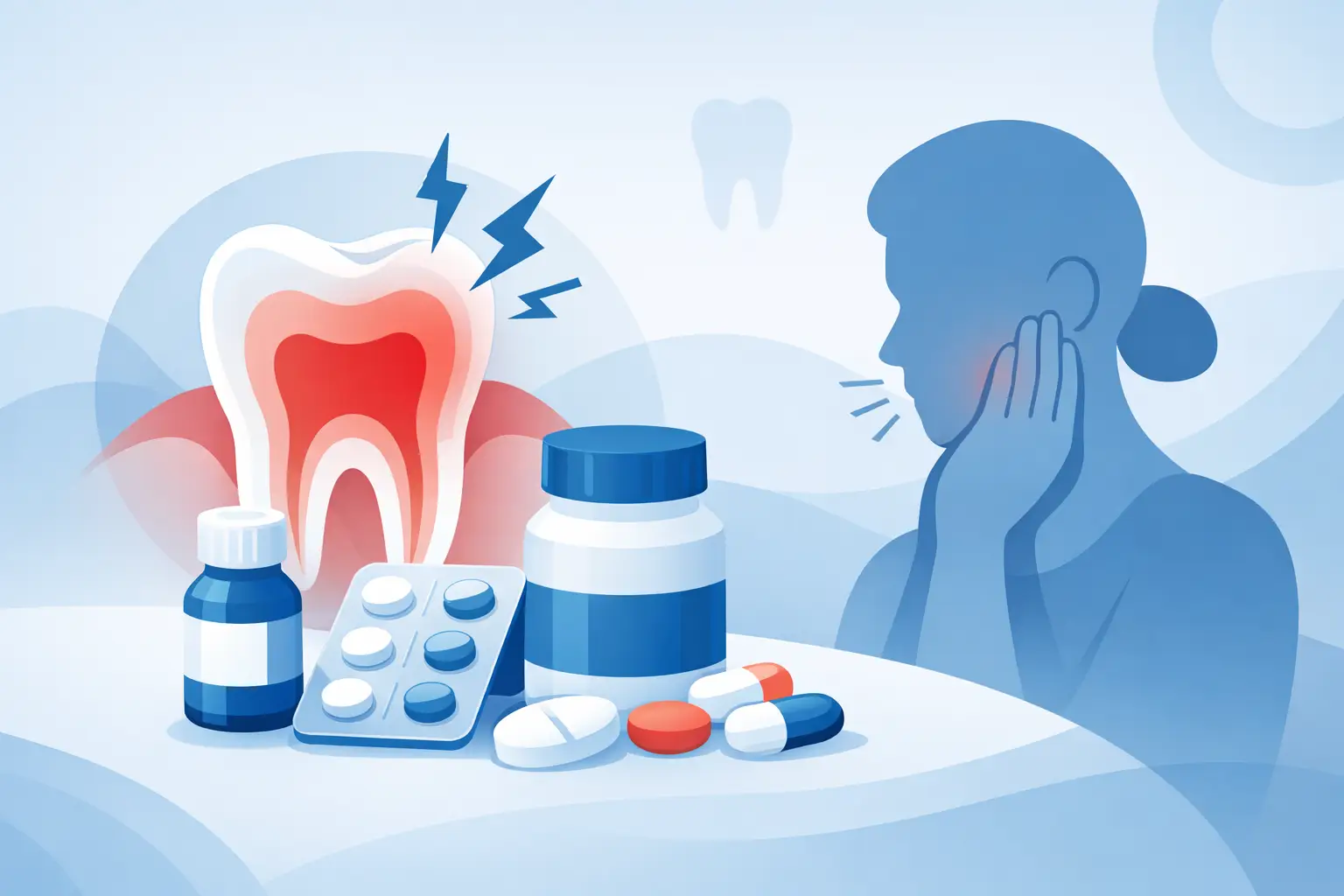
A toothache has a way of taking over everything. You are trying to eat, sleep or get through work, and suddenly the only question that matters is the best pain relief medication for toothache and how fast it will kick in.
The short answer is that there is no single best option for every person. The right choice depends on what is causing the pain, how strong it is, your age, your medical history, and whether you can take anti-inflammatory medicines safely. For many adults, ibuprofen is often one of the most effective first-line options because tooth pain is commonly linked to inflammation. For others, paracetamol may be the safer pick. In some cases, using both at the right doses can work better than either one alone. What matters most is choosing safely and not using pain relief as a substitute for dental treatment.
What is the best pain relief medication for toothache?
If your toothache is coming from inflammation around the tooth or gum, a non-steroidal anti-inflammatory drug, or NSAID, is often the strongest over-the-counter option. In Australia, ibuprofen is a common choice because it can reduce both pain and swelling. That makes it especially useful for throbbing pain, pain that worsens when you bite down, or discomfort linked to a swollen gum.
Paracetamol is another widely used option. It does not reduce inflammation in the same way, but it can still be very effective for mild to moderate pain. It is also often preferred by people who cannot take NSAIDs because of stomach ulcers, kidney issues, certain heart conditions, blood-thinning medicines, or asthma triggered by anti-inflammatories.
Some adults get better relief by alternating or combining paracetamol and ibuprofen exactly as directed on the packaging or by a pharmacist or doctor. That approach can be useful when the pain is stronger, but it needs care. Taking more than recommended or doubling up with other cold and flu products can happen easily.
Stronger medicines are not automatically better for toothache. Opioid-based pain relief may dull pain, but it does not treat inflammation well and comes with more side effects, including drowsiness, nausea and dependency risk. For many dental pain cases, anti-inflammatory treatment gives better practical relief than going straight to a heavy painkiller.
Why toothache pain responds differently
Toothache is not one condition. It is a symptom, and the cause changes what works best.
If the pain comes from an inflamed nerve inside the tooth, you may get sharp, pulsing or lingering pain, especially with hot or cold drinks. If it is an abscess, the pain can feel intense, constant and swollen, sometimes with a bad taste in the mouth or facial puffiness. If it is from grinding your teeth, a cracked tooth, or gum irritation, the pattern may be different again.
This is why the best pain relief medication for toothache can vary from person to person. A medicine that helps one person quickly may do less for someone whose pain is caused by infection, exposed nerve tissue or significant swelling. Pain relief buys time. It does not fix the underlying issue.
Common options and when they may suit
Ibuprofen is often a strong first choice for adults with dental pain because inflammation is such a common factor. It may be a good fit if your pain is throbbing, the gum looks swollen, or the area feels worse when chewing. It is not suitable for everyone, though. If you have a history of stomach bleeding, gastric ulcers, kidney disease, uncontrolled high blood pressure, or you are pregnant, you should check with a pharmacist or doctor first.
Paracetamol is usually gentler on the stomach and can be suitable for people who need to avoid NSAIDs. It can take the edge off pain and may be useful if you are waiting for a dental appointment and need something straightforward. The trade-off is that it may not reduce swelling in the same way as ibuprofen. You also need to watch your total daily dose carefully, especially if you use other products that contain paracetamol.
A combination approach can be effective for short-term relief when used correctly. Many adults find that paracetamol plus ibuprofen provides broader pain control than either medicine alone. The key word is correctly. More is not better, and mixing products without checking ingredients is where people run into trouble.
Topical gels for gums may offer temporary numbness, but they are generally not the main answer for true toothache coming from inside the tooth. They may help a sore gum surface more than a deep dental problem.
What to avoid when treating toothache
One common mistake is placing aspirin directly on the tooth or gum. This does not treat the source of the pain and can burn the soft tissue. It is an old home remedy that causes more problems than it solves.
Another mistake is taking antibiotics without proper advice or expecting them to solve every dental pain issue. Antibiotics are only useful when there is a bacterial infection that needs treatment. Even then, an infected tooth often still needs dental care such as drainage, root canal treatment or extraction.
Alcohol is also not a pain management plan. It can irritate the area, interact with medicines and make it easier to exceed safe dosing.
When pain relief is not enough
A lot of people hope the pain will settle if they can just get through the next day or two. Sometimes it does ease briefly, but tooth pain that keeps returning usually means the problem is still there.
If you have swelling in the face or jaw, fever, pus, trouble swallowing, trouble opening your mouth, or pain that is severe and escalating, you should get urgent dental or medical attention. Infection in the mouth can spread, and that is not something to sit on.
You should also book in promptly if the pain lasts more than a day or two, wakes you at night, or keeps flaring whenever you eat or drink. Relief tablets can help you function, but they should not become the long-term plan.
Practical tips while you wait for the dentist
Medication is only one part of getting through a toothache. A few simple measures can make the pain more manageable while you arrange treatment.
Try to keep the area as clean as possible by gently rinsing with warm salty water if your mouth is not too sensitive. Stick to softer foods and avoid chewing on the painful side. Very hot, very cold, or very sweet foods can trigger pain fast, so keeping meals plain and lukewarm often helps.
If your cheek is swollen, a cold pack on the outside of the face may reduce discomfort. Sleep with your head slightly elevated if the throbbing gets worse when you lie flat. Small adjustments like these will not cure the problem, but they can make the wait easier.
Choosing safely if you order online
If you are buying pain relief online, convenience matters, but safety matters more. Check that the product is suitable for your age and health conditions, and read the label every time, even if you have used it before. Ingredients, strengths and combinations can vary.
If you already take regular medicines, especially blood thinners, blood pressure medicines, or other pain relief products, take a moment to confirm there is no overlap or interaction. If you are unsure, ask a pharmacist. A trusted online pharmacy experience should still give you access to support, not just a checkout page.
For people who want a straightforward way to manage pain relief from home, the value is in clear product information, reliable fulfilment and the confidence that your order is sourced through proper pharmacy channels. That is where a service-focused provider like MedsNSW fits naturally into the picture.
The bottom line on toothache pain relief
For many adults, ibuprofen is one of the most effective over-the-counter options when inflammation is driving the pain. Paracetamol can be a strong alternative when anti-inflammatories are not suitable, and in some cases the two used properly together can offer better short-term relief. But the best pain relief medication for toothache always depends on the person and the cause.
If the pain is intense, recurrent, or paired with swelling or fever, do not wait too long for the painkillers to carry the load. Toothache is often your body telling you something needs attention. The smart move is to get the pain under control safely, then get the tooth sorted properly.