
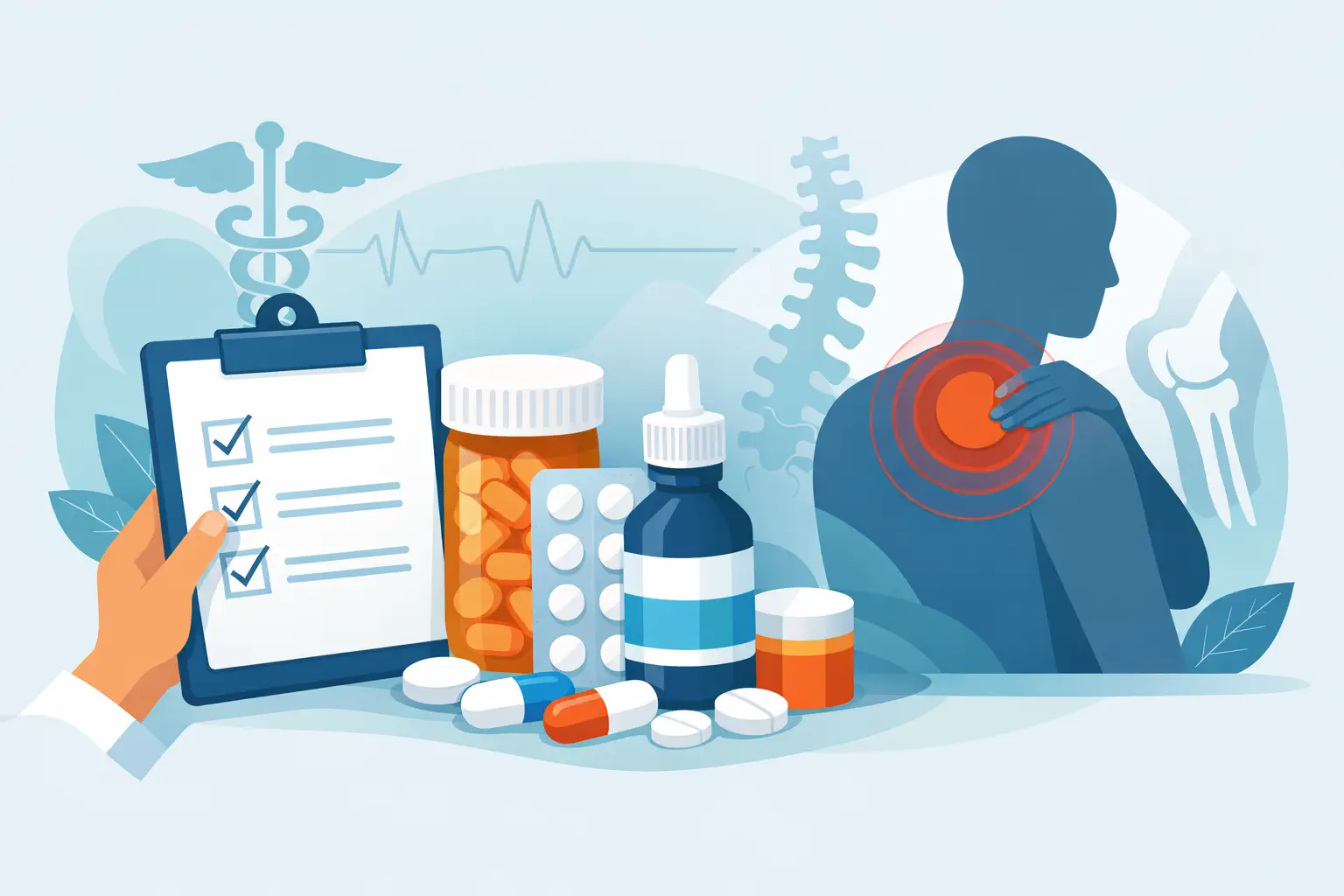
A sore back after a long week is one thing. Ongoing nerve pain, post-surgery discomfort, or a flare-up that stops you sleeping is another. When people start comparing pain management medications, they usually want one thing – relief that works without making life harder.
That is where clear information matters. Some medicines are designed for mild, short-term pain. Others are used when pain is stronger, lasts longer, or needs closer medical supervision. The best option depends on the type of pain, your health history, other medicines you take, and how quickly you need support.
How pain management medications are usually grouped
Not all pain feels the same, so not all treatments work the same way. Broadly, pain management medications fall into a few familiar categories: simple pain relievers, anti-inflammatory medicines, opioid medicines, and treatments used for specific pain patterns such as nerve pain.
For everyday aches, headaches, dental pain, or fever, many adults start with standard over-the-counter options. These can be useful for mild to moderate pain and are often the first choice because they are widely understood and easy to use when taken as directed.
Anti-inflammatory medicines are different. They are often chosen when swelling plays a part, such as muscle strain, joint pain, or some forms of back pain. They can be effective, but they are not right for everyone. If you have a history of stomach ulcers, kidney problems, or certain heart conditions, the trade-off may not be worth it.
Then there are opioid medicines, which are generally reserved for moderate to severe pain or situations where other treatments have not provided enough relief. These medicines can play an important role, but they require more care. Drowsiness, constipation, tolerance, and dependence risk are real considerations, not small print.
Some pain does not respond well to standard painkillers at all. Nerve pain is the classic example. In those cases, a prescriber may consider medicines from other treatment groups because the goal is not simply to dull pain, but to target how the nervous system is processing it.
Which pain management medications may suit different needs
If your pain is short term and mild, a simpler medicine may be enough. This is often the most practical starting point because it keeps treatment straightforward and lowers the chance of unnecessary side effects. A medicine that matches the problem, rather than the strongest option available, is usually the better decision.
If pain is linked to inflammation, stiffness, or injury, anti-inflammatory treatment may make more sense than a standard analgesic alone. That said, stronger relief is not always safer relief. A medicine that helps your knee but irritates your stomach or clashes with another prescription can create a different problem.
For more severe pain, especially after procedures or injuries, opioid-based treatment may be prescribed. This is where people often need the most guidance. Medicines such as codeine combinations, tramadol, or stronger prescription options may be suitable in some cases, but they are not interchangeable and should not be treated like routine convenience purchases.
Duration matters too. Pain that lasts a few days is managed differently from pain that keeps returning over months. Long-term pain often needs a broader plan, because relying on one medicine alone can lead to patchy relief or increasing doses over time. In those situations, the right treatment may involve review, adjustment, and realistic expectations rather than simply stepping up strength.
What to check before ordering pain relief online
Convenience matters, especially when pain makes travel, waiting rooms, and pharmacy visits harder than they need to be. But convenience should come with confidence. If you are ordering online, the basics still count.
Start with the medicine itself. Check the active ingredient, strength, pack size, and whether it is intended for occasional use or part of a doctor-guided treatment plan. Similar product names can lead to very different outcomes if you do not read the details properly.
Next, think about your existing medicines and health conditions. Even common pain relief can interact with anticoagulants, antidepressants, sedatives, blood pressure treatment, or alcohol. If you already manage more than one condition, it is worth slowing down and checking before you place an order.
It also helps to choose a pharmacy service that is clear about support, sourcing, and fulfilment. For many customers, trust comes down to practical questions: is the product quality assured, is ordering straightforward, and can you get help if something is unclear? A service-focused online pharmacy should make those answers easy to find.
Safety matters more with stronger pain medicines
The stronger the medicine, the more careful the process should be. That is especially true with prescription-oriented pain relief. Some medicines can impair driving, affect breathing, or increase sedation when combined with sleep or anxiety treatments. For customers managing multiple medications, this is not a minor detail.
Side effects are also part of the decision. Opioid medicines may relieve pain effectively but can bring constipation, nausea, dizziness, and reduced alertness. Anti-inflammatory medicines may work well for one person and be unsuitable for another because of stomach, kidney, or cardiovascular risks. Even medicines sold over the counter can cause trouble if used too often or at the wrong dose.
This is why self-selecting based on brand recognition alone can fall short. A familiar medicine is not always the right one for your current situation. Pain after surgery, chronic joint pain, migraine, and nerve pain may all feel urgent, but they do not necessarily respond to the same treatment approach.
Practical signs you may need more than a quick fix
Pain relief should help you function better. If it is not doing that, the issue may not be the brand or strength alone. It may be the diagnosis, the timing, or the treatment category.
If pain keeps waking you at night, returns as soon as a dose wears off, or starts affecting your mobility, work, or mood, it may be time for a proper medication review. The same applies if you find yourself taking extra doses, combining products without guidance, or switching between medicines with little benefit.
There is also a difference between breakthrough pain and poorly controlled ongoing pain. Breakthrough pain is a sudden spike that can happen even when a treatment plan is already in place. Persistent uncontrolled pain, on the other hand, may suggest the current plan is not matched well to the condition. That distinction matters because the solution is not always a stronger product.
Making online ordering simpler and smarter
For many Australians, online access is part of managing health more efficiently. It offers privacy, saves time, and can make repeat ordering far easier than visiting a brick-and-mortar pharmacy. When pain flares up, having a clear path to order from home is more than a convenience – it can be a genuine relief.
Still, smart ordering means staying practical. Know what medicine you are buying, understand whether it is appropriate for short-term or ongoing use, and pay attention to storage, dosage directions, and refill timing. If support is available, use it. Reliable customer service is not just a retail extra when health products are involved.
A provider such as MedsNSW appeals to customers who want that balance of access and reassurance. The value is not only in doorstep delivery. It is in having a straightforward experience, recognisable products, and support that helps reduce guesswork when you need pain relief fast.
Choosing with confidence
The right pain treatment is not always the strongest one, the cheapest one, or the one someone else swears by. It is the one that suits your type of pain, your medical situation, and your day-to-day needs with the least unnecessary risk.
If you are weighing up pain management medications, take a moment to match the product to the problem rather than rushing the purchase. A more informed choice now can mean steadier relief, fewer setbacks, and a much easier path back to feeling like yourself.