
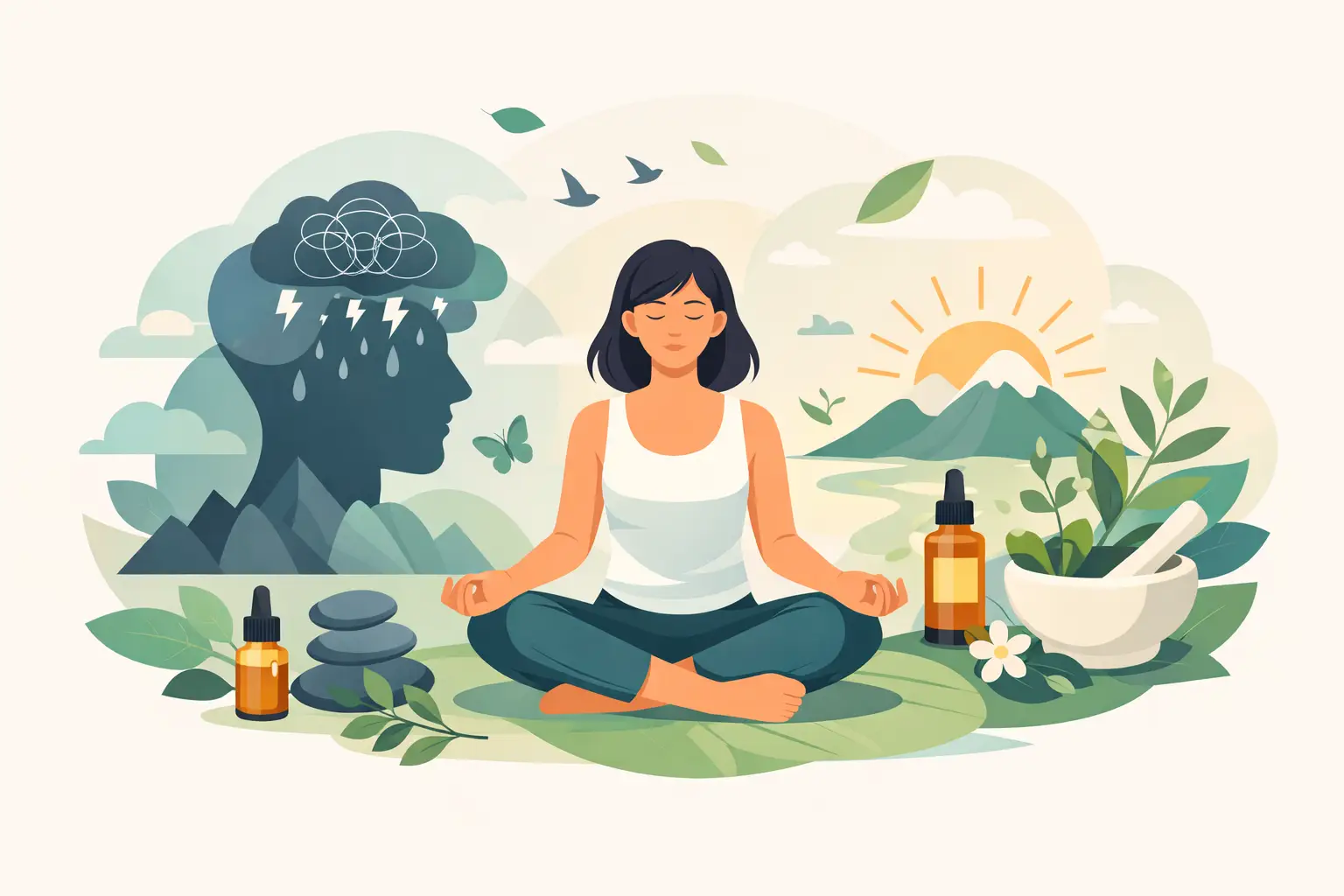
Anxiety rarely shows up at a convenient time. It can hit while you are trying to work, drive, sleep, or simply get through a normal day without your mind racing ahead of you. If you are asking how can anxiety be treated naturally, the short answer is yes – for many people, natural strategies can make a real difference, especially when symptoms are mild to moderate or tied to stress, poor sleep, caffeine, or overload.
That said, natural treatment is not about pushing through or hoping it passes. The best results usually come from small, repeatable changes that calm the nervous system, reduce triggers, and make daily life feel more manageable again. Some people get strong relief from lifestyle changes alone. Others need a mix of natural support and medical treatment. Both are valid.
How can anxiety be treated naturally in daily life?
The most effective natural approaches are usually the least flashy. They work because they help your body feel safer, steadier, and less overstimulated over time.
Sleep is often the first place to look. Poor sleep can make anxious thoughts louder, increase irritability, and leave you feeling physically on edge. A consistent bedtime, less screen time late at night, a cooler bedroom, and cutting back on afternoon caffeine can all help. If your sleep is broken for weeks at a time, that matters. Anxiety and sleep problems often feed each other.
Caffeine is another common trigger. For some people, one strong coffee is fine. For others, it can feel almost identical to anxiety – shaky hands, racing heart, tight chest, and a sense that something is wrong. If you notice that pattern, cutting down gradually may help more than you expect.
Regular movement is one of the most reliable natural tools available. It does not need to mean hard training sessions or hours at the gym. A brisk walk, swimming, cycling, stretching, or any activity you can keep up most days can lower stress hormones and improve mood regulation. The key is consistency, not intensity.
Food matters too, although it is rarely about one miracle ingredient. Skipping meals, eating erratically, or relying heavily on alcohol and ultra-processed foods can make anxiety feel worse for some people. More stable meals with protein, fibre, and enough water can support steadier energy and fewer physical sensations that mimic panic.
Breathing and grounding techniques that actually help
When anxiety spikes, the body often reacts before the mind catches up. Your breathing gets shallow, your chest tightens, and your thoughts start to speed up. In those moments, simple techniques can help interrupt the cycle.
Slow breathing is one of the fastest options. Try breathing in through your nose for four seconds, then out slowly for six. Repeat that for a few minutes. The longer exhale can help settle the nervous system. It is not magic, and it may not stop anxiety instantly, but it often takes the edge off enough to regain control.
Grounding can help when your thoughts are spiralling. Focus on what you can see, hear, and feel around you. Press both feet into the floor. Hold a cold glass of water. Name five things in the room. These methods sound simple because they are, but they work by pulling attention away from the internal alarm loop.
For some people, mindfulness helps. For others, sitting still with anxious thoughts makes things worse at first. That is normal. If traditional meditation feels frustrating, try a guided body scan, mindful walking, or even slow stretching instead.
Natural support does not mean doing everything at once
One reason natural treatment fails is that people try to overhaul their whole life in a weekend. They cut caffeine, start meditating, join a gym, delete social media, buy supplements, and expect to feel calm by Monday. Anxiety does not usually respond well to pressure.
A better approach is to choose two or three changes you can realistically maintain. For example, reduce caffeine, walk for twenty minutes most days, and keep a regular sleep schedule. Once that becomes routine, you can build from there. Sustainable habits beat perfect intentions.
Can supplements help?
This is where caution matters. Some supplements are marketed heavily for stress and calm, but natural does not always mean safe, effective, or suitable for everyone.
Magnesium is commonly used when people feel tense or have trouble sleeping, and some find it helpful. Herbal products such as passionflower, valerian, lavender, or chamomile are also popular. But evidence is mixed, quality can vary between products, and some ingredients can interact with prescription medicines or make certain health conditions worse.
If you already take medication for anxiety, pain, sleep, or another ongoing condition, it is worth checking before adding anything new. A pharmacy-first approach is usually the safest one. Trusted providers can help you compare options, understand side effects, and avoid combinations that are not suitable.
When stress becomes anxiety
Not every stressful week means you have an anxiety disorder. Work pressure, family issues, money worries, and poor sleep can all leave you feeling wired and unsettled. Sometimes the right natural treatment is simply reducing the load where you can and building more recovery time into the week.
But if anxiety is constant, disproportionate, or starting to shape your behaviour, it may be more than temporary stress. Signs include avoiding normal activities, repeated panic symptoms, trouble leaving the house, constant reassurance-seeking, or thoughts that will not switch off even when life is relatively calm.
This is where honest self-checking matters. If anxiety is affecting your job, relationships, sleep, or ability to function, natural strategies are still useful, but they may not be enough on their own.
How can anxiety be treated naturally alongside professional care?
Natural support and professional treatment are not opposites. In practice, they often work best together.
Psychological therapies such as cognitive behavioural therapy can help you understand what is driving the anxiety and change the patterns that keep it going. Natural approaches like sleep support, exercise, and breathing techniques can then make those strategies easier to use in real life. If medication is recommended, lifestyle changes still matter. They can improve day-to-day stability and help reduce common triggers.
For adults who value privacy, convenience, and ongoing support, having access to pharmacy guidance can also make the process feel less overwhelming. If you are unsure where to start, a reliable service such as MedsNSW can help you explore suitable treatment pathways and product support options with more confidence.
Common mistakes that can make anxiety worse
A few habits can quietly keep anxiety going, even when you are trying hard to feel better. Constantly checking symptoms online can increase fear instead of reassurance. Drinking more alcohol to relax can backfire, especially the next day when anxiety often rebounds harder. Avoiding every uncomfortable situation can shrink your world and teach your brain that ordinary things are dangerous.
There is also the pressure to be calm all the time. That goal usually creates more frustration. A better aim is to respond to anxiety well, not to never feel it again.
When natural treatment is not enough
If you are having frequent panic attacks, severe insomnia, chest pain, persistent dread, or thoughts of harming yourself, do not rely on home strategies alone. Seek medical help promptly. Anxiety can be very treatable, but severe symptoms deserve proper assessment.
It is also worth getting checked if symptoms have changed suddenly, feel physically intense, or started after a medication change, stimulant use, illness, or major life event. Sometimes what looks like anxiety has a medical component that needs attention.
Natural treatment works best when it is honest about its limits. It can be powerful, but it is not a substitute for care when symptoms are escalating.
The most helpful place to begin is often the least dramatic one: improve sleep, reduce stimulants, move your body, breathe more slowly, and stop expecting instant perfection. Anxiety usually eases through steady support, not one big fix. Give yourself room to build that support properly.