
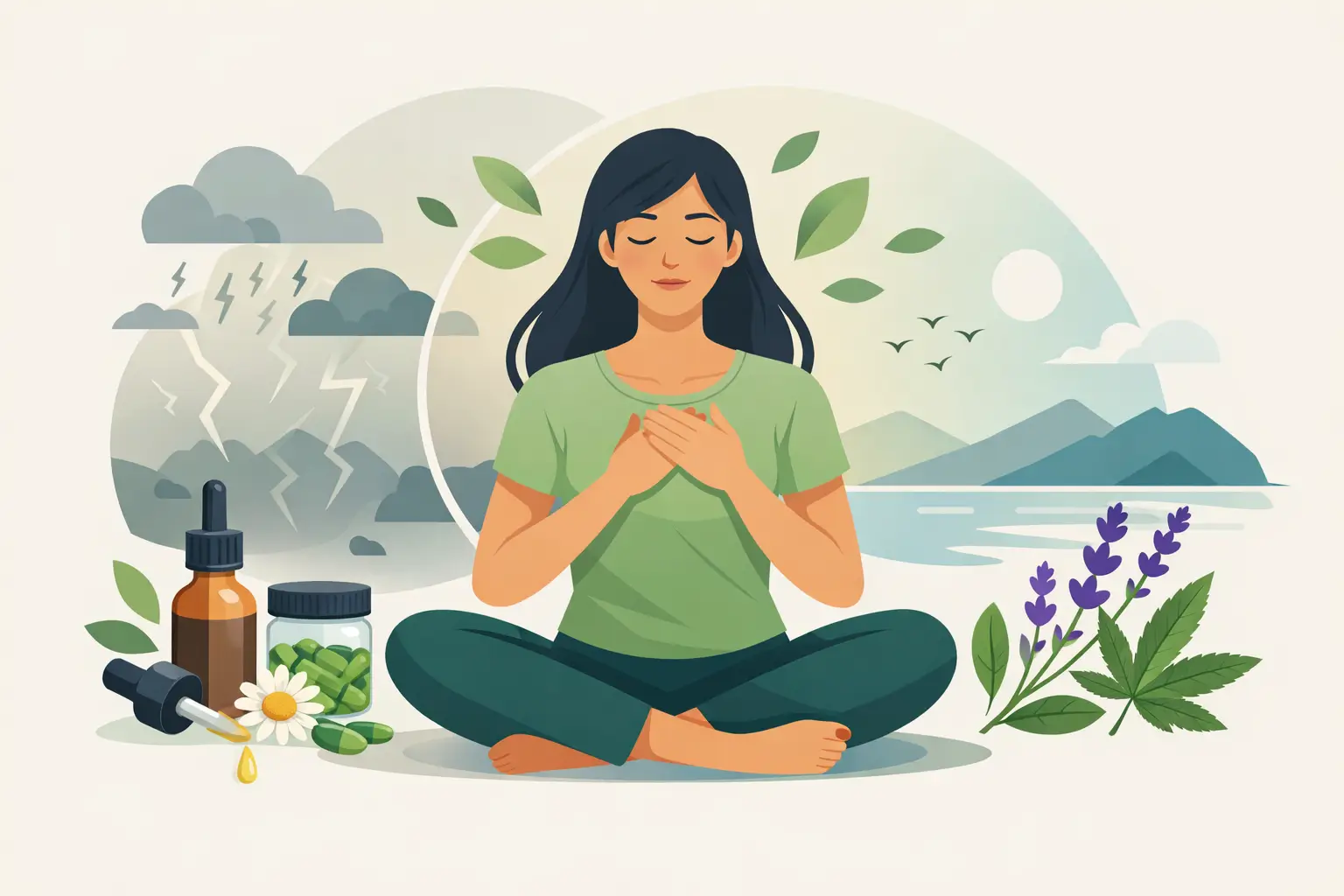
Some people do not want to jump straight to prescription treatment. Others are already managing stress, poor sleep, or mild anxiety and simply want to know what natural product helps with anxiety before they buy anything. That question is common, and the honest answer is that a few natural options may help – but the right choice depends on your symptoms, your health history, and what else you are taking.
For some adults, a natural product can take the edge off nervousness, help with sleep, or reduce the physical tension that comes with stress. For others, it does very little. Anxiety is not one-size-fits-all, so the best approach is practical, safe, and realistic.
What natural product helps with anxiety most often?
If you look across pharmacy shelves and wellness products, the most commonly used natural options for anxiety are magnesium, lavender, passionflower, valerian, chamomile, and ashwagandha. These are usually marketed for relaxation, stress support, or sleep, and that matters because many people with anxiety are also dealing with a racing mind at night, irritability, or muscle tightness.
Magnesium is often the first product people try. It is familiar, widely available, and generally used to support muscle relaxation and nervous system function. Some people notice the most benefit when anxiety shows up as jaw tension, poor sleep, restlessness, or headaches linked to stress. It is not a fast-acting fix for severe anxiety, but it can be useful for mild day-to-day strain.
Lavender, particularly in oral supplement form or aromatherapy products, is another popular option. Some adults find it calming without making them feel too heavy or foggy. It may suit people who feel keyed up, unsettled, or overstimulated, especially when stress builds through the day.
Ashwagandha gets a lot of attention because it is sold as an adaptogen, meaning it is promoted as helping the body manage stress. Some people report feeling steadier after using it regularly, but results vary and it is not ideal for everyone, particularly if there are thyroid concerns or medicine interactions.
Chamomile and valerian are often chosen when anxiety and sleep problems go together. If your main issue is lying awake with a busy mind, these may feel more relevant than products marketed purely for mood support. Passionflower also sits in this category and is commonly used for restlessness and nervous tension.
The best natural product depends on your anxiety pattern
Asking what natural product helps with anxiety is a good start, but the better question is what type of anxiety you are trying to ease.
If your anxiety mainly feels physical – tight chest, tense shoulders, clenched muscles, trouble settling – magnesium may be the most practical place to start. If your anxiety peaks at bedtime, valerian, chamomile, or passionflower may be more suitable. If you feel mentally overloaded and on edge through the day, lavender or ashwagandha may be the better fit.
That is where many people go wrong. They buy the most talked-about supplement instead of the one that matches their actual symptoms. A product that helps a friend sleep may not help if your anxiety hits in the morning before work. Likewise, something promoted for calm may not do much if your symptoms are severe, persistent, or linked to panic.
What to expect from natural anxiety products
Natural does not mean ineffective, but it also does not mean dramatic. In most cases, these products are subtle. You might notice that you fall asleep a little easier, feel less wound up in the evening, or cope better with mild stress during the week. That can be worthwhile, but it is different from expecting a strong sedative effect.
Some products work best when taken regularly for a period of time rather than once in a while. Others are mainly used at night or during specific high-stress periods. It depends on the ingredient and the format, whether that is capsules, tablets, teas, powders, or sprays.
It is also worth checking the dose. Two products may have the same ingredient on the front of the label but very different strengths. Some include blended herbs in small amounts that sound impressive but may not deliver much practical benefit.
What natural product helps with anxiety and sleep?
If poor sleep is part of the picture, the most useful natural products are usually valerian, chamomile, passionflower, magnesium, and lavender. These tend to be chosen when someone is not just anxious, but also unable to switch off at night.
Valerian is often used as a sleep support herb. Some people find it helpful for winding down, while others dislike the groggy feeling it can cause the next morning. Chamomile is gentler and often suits people looking for mild calming support. Passionflower is commonly used when restlessness and an overactive mind make it hard to settle.
Magnesium can also be helpful at night, particularly for people whose stress shows up physically. Lavender may suit adults who want something calming without a very heavy effect. If sleep is your main problem, the best product is often the one that helps you settle consistently rather than the one with the strongest marketing.
Safety matters more than the label says
One of the biggest mistakes people make is assuming a natural product is automatically safe because it is sold over the counter. That is not always the case. Natural products can still cause side effects, interact with medicines, or be unsuitable for certain health conditions.
This is especially important if you already take prescription treatment for anxiety, sleep, pain, blood pressure, thyroid conditions, epilepsy, or depression. Combining sedating herbs or supplements with other medicines can increase drowsiness or create unwanted interactions. Even common products such as magnesium may not be suitable for everyone, particularly at higher doses or with some medical conditions.
If you are pregnant, breastfeeding, managing a chronic illness, or taking multiple medicines, it is smart to get advice before starting anything new. A trusted pharmacy can help you compare options, check ingredients, and avoid combinations that do not make sense.
When natural options are worth trying
Natural products can make sense when anxiety is mild, occasional, or tied to a clear trigger such as work pressure, poor sleep, travel, or temporary stress. They can also be useful for people who want a supportive option alongside lifestyle changes such as cutting back caffeine, improving sleep routines, and reducing alcohol.
They are less likely to be enough if your anxiety is intense, frequent, or starting to interfere with work, relationships, sleep, or daily tasks. If you are having panic attacks, constant dread, chest pain, or symptoms that feel out of control, that is the point where self-selection from the shelf may not be enough.
For some adults, a natural product is a starting point. For others, it is part of a broader plan that may include professional support or medication. There is no prize for forcing a natural option to work if it clearly is not doing the job.
How to choose the right product without wasting money
Start with one product, not three. That makes it easier to tell what is helping and what is not. Read the active ingredients carefully and avoid doubling up on similar calming herbs across different products.
Think about timing as well. If your symptoms hit at night, choose something designed for evening use. If the issue is daytime tension, a heavily sedating formula may be the wrong choice. Product format matters too. Some people prefer tablets for convenience, while others are more likely to stick with tea, powder, or capsules.
It is also worth buying from a pharmacy-focused retailer rather than grabbing the first social media trend you see. Reliable sourcing, clear labelling, and support access matter, especially when you are choosing products that affect mood, sleep, and alertness. For customers who value privacy and convenience, ordering from a trusted online pharmacy such as MedsNSW can make that process simpler.
When to seek extra support
Natural products can support calm, but they should not delay proper care. If anxiety is getting worse, causing avoidance, affecting your appetite, disturbing sleep for weeks, or leaving you unable to function normally, it is time to get advice. The same applies if symptoms come with low mood, hopelessness, or thoughts of self-harm.
Sometimes the most helpful next step is not a new supplement. It may be a medicine review, a conversation with a GP, or support that targets the cause rather than just the symptoms.
If you are still asking what natural product helps with anxiety, the most practical answer is this: magnesium, lavender, chamomile, valerian, passionflower, and ashwagandha are among the better-known options, but the best choice depends on whether you need help with daytime tension, sleep, physical stress, or general nervousness. Start simple, choose carefully, and give yourself permission to seek stronger support if calm still feels out of reach.